


Amazon sellers focus heavily on their product listing. They improve the title, add better images, refine the bullet points, and enhance the description
While these elements are important for conversion, they are only part of the equation. To maximize visibility on Amazon, sellers must also optimize their back-end keywords.
Both the front-end listing and back-end search terms work together to help Amazon understand what your product is and when it should appear in search results.
What Are Back-End Keywords?
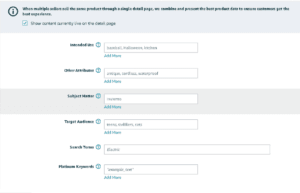
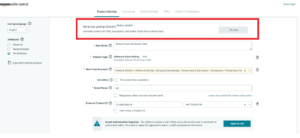
Back-end keywords are hidden search terms that sellers add inside Seller Central. These keywords are not visible to shoppers, but they help Amazon’s search system identify relevant queries for your product.
They allow you to include additional search terms that may not naturally fit in your product title or bullet points.
Examples include:
- Alternate spellings
- Synonyms
- Related search phrases
- Long-tail keywords
These hidden terms help expand the number of searches your product can appear in.
Why Listing Optimization Alone Is Not Enough
Your product listing is designed primarily for shoppers. It needs to clearly explain the product, highlight benefits, and encourage customers to purchase.
However, Amazon’s algorithm also needs structured signals to determine where your product should appear in search results.
If your back-end keywords are missing or poorly optimized, Amazon may not fully understand all the search queries your product should rank for.
That means you could miss valuable traffic from relevant searches.
How Back-End Keywords Improve Product Visibility
When used properly, back-end keywords can help your listing:
- Appear in more relevant searches
- Capture long-tail keyword traffic
- Increase product discoverability
- Support organic ranking growth
They essentially provide additional signals that help Amazon match your product with shopper searches.
Common Mistakes Sellers Make
Many sellers overlook back-end keyword optimization or make mistakes such as:
- Repeating keywords already in the title
- Using irrelevant or broad terms
- Adding unnecessary punctuation
- Not utilizing the full character limit
These mistakes can limit the effectiveness of your listing’s search visibility.
The Best Approach: Front-End + Back-End Optimization
A strong Amazon listing strategy focuses on two key goals:
- Front-end listing optimization
- Clear title with primary keywords
- Informative bullet points
- High-quality images
- Compelling product description
- Back-end keyword optimization
- Additional relevant search terms
- Synonyms and alternate phrases
- Long-tail search queries not used in the visible listing
When both are optimized properly, Amazon has a clearer understanding of your product and can match it with more relevant searches.
Final Thoughts
Optimizing your listing is essential, but it should never stop at the visible content.
Back-end keywords play a crucial role in improving discoverability and expanding the number of searches your product can appear in.
By combining a strong front-end listing with properly optimized back-end keywords, sellers give their products the best chance to gain visibility, traffic, and ultimately more sales on Amazon. If you’re looking to strengthen your listing strategy and improve your overall advertising performance, consider working with experts who specialize in Amazon PPC and listing optimization. Visit ppccenter.com to learn how PPC Center can help you get started.